
Cardiovascular Clinical Trials: The Research Changing Heart Health Forever
You may already be on a statin — but research is proving that controlling cholesterol goes much further than
most patients realize.
Key Takeaways
- Heart disease is the leading cause of death in the United States, and someone dies of cardiovascular disease about every 34 seconds (CDC, 2024).
- LDL cholesterol does not explain all heart risk: Lp(a), ApoB, triglycerides, and non-HDL cholesterol also contribute.
- About 1 in 5 people worldwide have high lipoprotein(a), or Lp(a), a mostly inherited particle that lifestyle changes do not lower (American Heart Association Lp(a)).
- Insulin resistance, high triglycerides, and obesity add to cardiovascular risk, which links metabolic health and heart health.
- Studies at Mission Research Institute in Gilbert, AZ, include PCSK9 inhibitors, twice-yearly RNA-based therapies, and the first treatments designed to lower Lp(a).
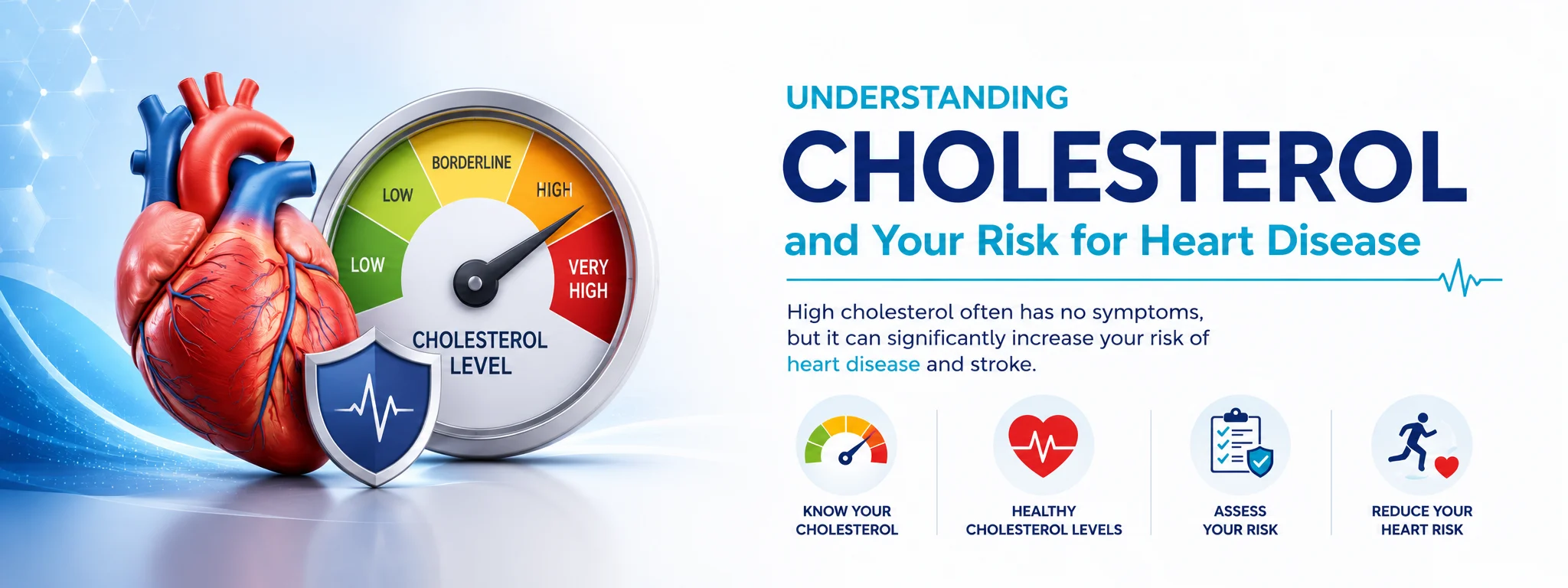
According to the CDC, Heart disease remains the number one killer of Americans — responsible for one death every 34 seconds. And despite the widespread use of statin medications, millions of patients on treatment still experience heart attacks and strokes. Why? Because LDL cholesterol is not the only player in cardiovascular risk, and statins are not effective for everyone. Cardiovascular clinical trials are now targeting cholesterol pathways that statins cannot reach — and the results from recent trials are changing the way cardiologists and primary care physicians think about heart disease prevention.
Beyond LDL: The Cholesterol Numbers Your Doctor May Now Be Watching
-
Lipoprotein(a) — or Lp(a) — a genetically determined particle that dramatically increases heart attack and stroke risk and is not lowered by statins
- ApoB — a more precise measure of atherogenic particle count than LDL alone
- Triglycerides — elevated levels, often driven by diet and metabolic dysfunction, that contribute to plaque formation independently of LDL
- Non-HDL cholesterol — a broader measure increasingly used to guide treatment decisions
About 1 in 5 people world wide have elevated Lp(a) (American Heart Association)
Cardiovascular Clinical Trials Studying Cholesterol Right Now
- PCSK9 inhibitors and RNA-based therapies that dramatically lower LDL — even in statin-intolerant patients
- RNA-targeting agents (inclisiran and similar) that reduce LDL with twice-yearly dosing
- First-generation therapies specifically targeting Lp(a) — an area that has had no effective treatment until now
- Combination metabolic therapies that lower both blood sugar and cardiovascular risk simultaneously
Who Should Consider a Cardiovascular Research Study
You may be an ideal candidate for a cardiovascular clinical research if:
- You have high LDL despite taking a statin, or cannot tolerate statin therapy
- You have been told your Lp(a) is elevated
- You have a personal or family history of early heart disease
- You have Type 2 diabetes or metabolic syndrome and are at elevated cardiovascular risk
- Your triglycerides remain high despite lifestyle modification and medication
The Intersection of Heart Health and Metabolic Disease
This is why primary care physicians — who manage the full picture of a patient’s metabolic health — are increasingly central to cardiovascular risk reduction. And it is why community-based research sites that specialize in metabolic conditions are uniquely positioned to offer cardiovascular trials to the patients who need them most.