
Metabolic Syndrome Clinical Trials: When Five Risk Factors Show Up Together
You might have it without knowing it has a name. Metabolic syndrome affects one in three American adults — and it sets the stage for heart disease, diabetes, and more.
Key Takeaways
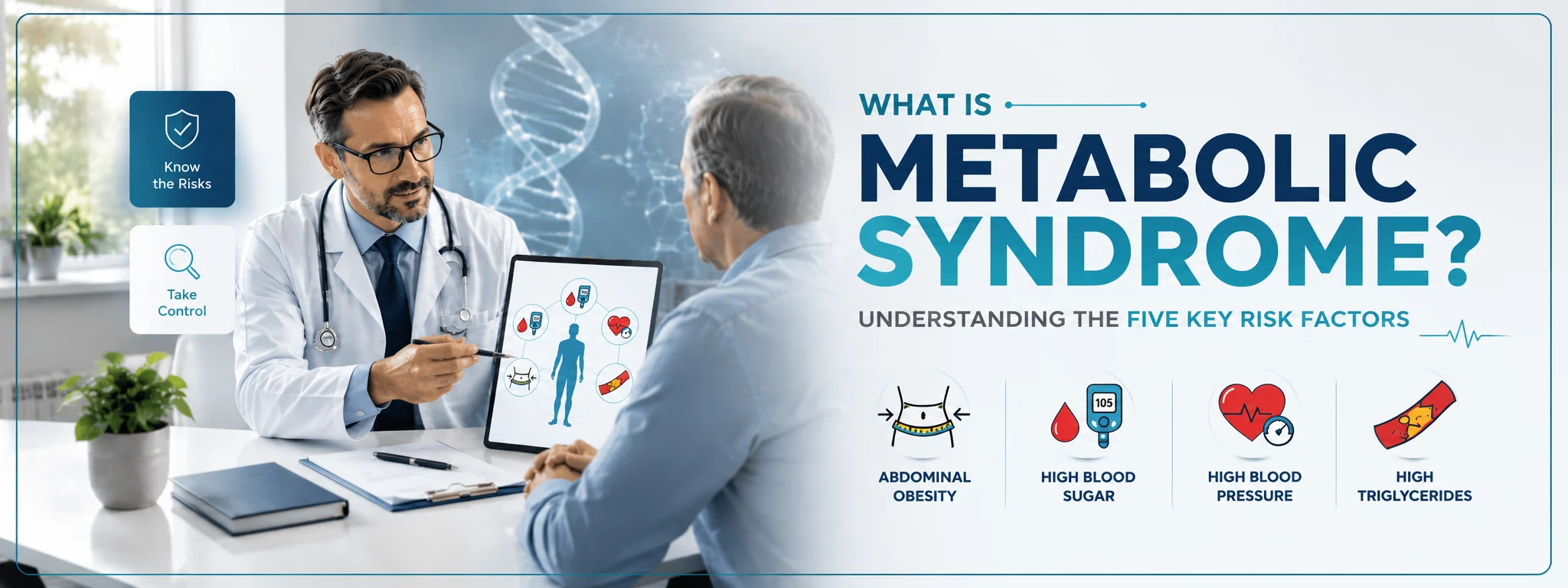
- Metabolic syndrome is diagnosed when a person has three or more of five risk factors: a large waistline, high blood pressure, high blood sugar, high triglycerides, and low HDL cholesterol (NHLBI).
- About 1 in 3 U.S. adults has metabolic syndrome (NHLBI).
- People with metabolic syndrome have a fivefold greater risk of developing type 2 diabetes and are three times as likely to have a heart attack or stroke (International Diabetes Federation).
- GLP-1 and dual GLP-1/GIP medications are being studied for their ability to improve several metabolic syndrome risk factors at once.
- Mission Research Institute in Gilbert, AZ, enrolls adults with metabolic syndrome in clinical trials at no cost to participants.
Here is a scenario that plays out in primary care offices every day. A patient comes in for a routine physical. Their waistline has grown over the past few years. Their blood pressure is slightly elevated. Their fasting blood sugar is in the prediabetic range. Their triglycerides are high, and their good cholesterol (HDL) is low. Individually, each finding might seem manageable. Together, they have a name: metabolic syndrome. It is now the focus of active metabolic syndrome clinical trials.
Metabolic syndrome is not a single disease — it is a cluster of five interrelated risk factors that dramatically increase a person’s risk for Type 2 diabetes, heart disease, stroke, and fatty liver disease. And it affects approximately one in three American adults.
The Five Criteria That Define Metabolic Syndrome
- Abdominal obesity: Waist circumference greater than 40 inches in men or 35 inches in women
- High triglycerides: 150 mg/dL or higher (or on medication to treat elevated triglycerides)
- Low HDL cholesterol: Below 40 mg/dL in men or 50 mg/dL in women
- High blood pressure: 130/85 mmHg or higher (or on medication for hypertension)
- High fasting blood sugar: 100 mg/dL or higher (or on medication for elevated blood sugar)
1 in 3 American adults meet the criteria for metabolic syndrome — yet many are never told they have it or what it means.
Why Metabolic Syndrome Is a Ticking Clock
- 2x more likely to develop heart disease than people without it (CardioSmart, American College of Cardiology)
- 5x more likely to develop Type 2 diabetes (CardioSmart, American College of Cardiology)
- Significantly more likely to develop NAFLD, sleep apnea, and certain cancers
- At elevated risk for kidney disease from combined blood pressure and blood sugar effects
Metabolic Syndrome Clinical Trials: What Research Is Doing
Because metabolic syndrome is not a single disease but a constellation of interrelated conditions, treatment research focuses on medications that can address multiple components simultaneously. This is one of the most exciting areas of metabolic medicine research today.
GLP-1 (i.e. semaglutide) and dual GLP-1/GIP (i.e. trizepatide) receptor agonists — originally developed for diabetes — have shown striking results in clinical trials: meaningful reductions in weight, blood pressure, triglycerides, blood sugar, and liver fat simultaneously. Researchers are now studying these and similar mechanisms specifically in patients with metabolic syndrome, even those who do not yet have a formal diabetes diagnosis.
What You Can Do Right Now
If you recognize yourself in the five criteria above, the most important first step is having a frank conversation with your primary care physician about metabolic syndrome as a unified clinical picture — not just five separate issues to manage independently.
The second step is asking about clinical research. Patients with metabolic syndrome — even those not yet diagnosed with diabetes or overt cardiovascular disease — are among the most actively sought participants in metabolic medicine trials. You may already qualify for a study that provides access to the next generation of treatments.