
Obesity Clinical Trials: The Science of What Actually Works
Key Takeaways
- Obesity is a chronic, complex metabolic disease shaped by genetics, hormones, and environment, not a lack of willpower.
- About 40.3% of U.S. adults had obesity in 2021–2023 (CDC National Center for Health Statistics).
- Obesity raises the risk of type 2 diabetes, heart disease, fatty liver disease, and sleep apnea.
- In the SURMOUNT-1 trial, adults taking tirzepatide lost an average of 16.0% to 22.5% of their body weight over 72 weeks (New England Journal of Medicine, 2022).
- Clinical trial participants at Mission Research Institute in Gilbert, AZ, receive study medication, physician monitoring, and metabolic testing at no cost.
For decades, the medical advice given to people struggling with obesity was simple and frustrating: eat less and move more — and obesity clinical trials are now revealing why that advice fell short. While diet and exercise matter, that advice ignored something fundamental — obesity is not a failure of willpower. It is a chronic, complex metabolic disease with genetic, hormonal, environmental, and behavioral components.
The good news is that medical research has dramatically shifted how obesity is understood and treated. New medications — particularly GLP-1 receptor agonists (i.e. semaglutide, tirzepatide)— have shown in clinical trials that significant, sustained weight loss is achievable with the right treatment. The research pipeline is more robust than it has ever been.
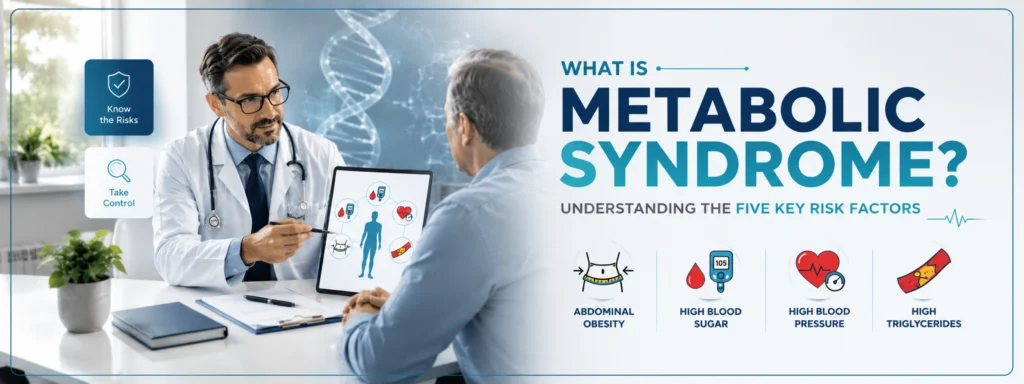
Why Obesity Is a Medical Emergency — Not a Cosmetic Issue
- Type 2 diabetes — over 80% of people with Type 2 diabetes are overweight or obese
- Heart disease and stroke — the leading causes of death in the United States
- Non-alcoholic fatty liver disease (NAFLD/MASH) — now the most common liver disease in America
- Obstructive sleep apnea, osteoarthritis, and several types of cancer
- Chronic inflammation that damages blood vessels, organs, and metabolic function over time
About 40% of U.S. adults have obesity (CDC, 2021–2023).
What Obesity Clinical Trials Are Revealing About Treatment
The class of medications known as GLP-1 receptor agonists — which includes drugs like semaglutide and
tirzepatide — were first developed for Type 2 diabetes. Clinical trials revealed something remarkable: patients
were losing significant amounts of weight. This discovery launched an entirely new field of obesity medicine research.
Current trials are going further. Researchers are studying:
- Dual and triple hormone receptor agonists that target multiple metabolic pathways simultaneously, such as targeting gut health to suppress appetite, optimize insulin secretion, and increase energy efficiency
- Oral formulations that eliminate the need for weekly injections
- Combination strategies pairing medication with structured lifestyle coaching
- Long-term cardiovascular and liver-protective effects of weight loss medications
What an Obesity Clinical Trial Involves
Participants receive the investigational medication at no cost, along with regular weight checks, metabolic labs, and physician monitoring. Many studies include structured nutritional or lifestyle guidance as part of the protocol. Compensation is provided for each visit.
A Different Kind of Weight Loss Support
If you have tried and been frustrated by diet programs, calorie counting, or medications that did not work, a clinical trial may offer access to a class of treatment you could not otherwise afford or access.
How Clinical Research Is Transforming Obesity Treatment
Here are answers to common questions patients ask about obesity as a medical condition and how clinical research is changing treatment.